
/ WORK
Make things.
Make a difference.
SCROLL FOR MORE
/ RANGE OF WORK
Designbivouac crafts innovative, human-centered solutions and long-term strategies across consumer, financial, medical, and mobility sectors.
/ AWARDS AND RECOGNITION
Work and perspective have been featured in WIRED, BusinessWeek, Fast Company, The Atlantic, the IDEA Awards, the Webby Awards, the Museum of Modern Art in New York, and the Cooper Hewitt Smithsonian Design Museum. Various patents have been awarded. Below are some representative projects shaped through direct design, design direction, and client relationship stewardship. Roles related to each project are also listed.

/ REPRESENTATIVE PROJECTS

-
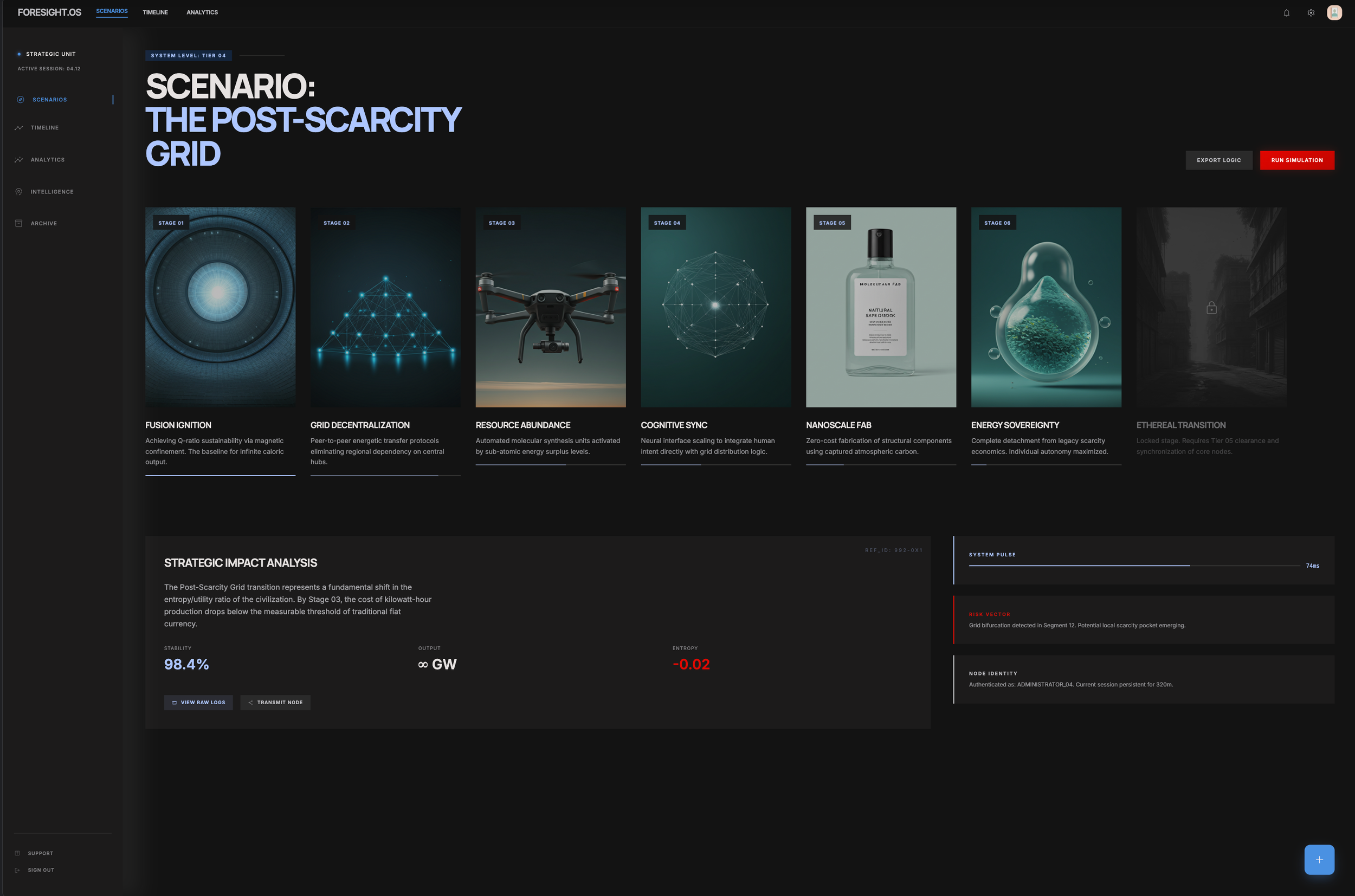
This series explores future possibilities for technology and culture. Like postcards from the future, this work demonstrates designbivouac’s approach to future visioning, designed to spark imagination and inspire new possibilities.

-
This four-part immersive series explored how autonomous vehicles could move people, goods, spaces, and together through speculative design. The series includes photorealistic visuals, spatial audio, and research-driven storytelling. The work captured public imagination, earned multiple awards, and attracted global media attention.

-
BLAID is a discreet personal mobility device designed to help visually impaired users navigate complex environments using cameras, sensors, and a blend of haptic and audio feedback. Developed in close collaboration with the visually impaired community, it offers four intuitive modes—Explore, Scan, Capture, and Find—that enhance spatial awareness, identify surroundings, store location data, and guide users to specific destinations.

-
Designed for enthusiasts previously deterred by the complexity and high barriers of traditional systems, SkyOS replaces outdated mechanical controls with a fully digital, touchscreen-based interface that simplifies flying and boosts confidence in the cockpit.

-
The redesign of BMW’s original iDrive system marked a pivotal shift in the BMW vehicle user experience. The first-generation iDrive, with its distinctive circular menu structure, was ambitious but ultimately problematic, posing significant challenges in physical interaction and cognitive load. The redesign represented more than a software update; it fundamentally changed how drivers engage with technology behind the wheel.

-
Cisco’s lineup of voice-over-IP phones set a new standard for digital communication in the enterprise world. At a time when voice-over-IP technology was still emerging, Cisco’s phones stood out for combining robust technical performance with a user-centered design that emphasized clarity, efficiency, and ease of use. Its ergonomic form factor was carefully shaped to support long hours of desk use, while the intuitive interface made complex digital telephony features accessible to a broad range of users with minimal training.

-
The Medtronic StealthStation uses MRI and CT imaging to generate real-time 3D anatomical maps, guiding surgeons with precision via electromagnetic tracking. This minimizes disruption to delicate tissue and improves surgical outcomes. An intuitive touchscreen interface delivers step-by-step guidance while accommodating multiple users in the operating room, supporting clarity, coordination, and confident decision-making in complex procedures.

-
An immersive product demonstrator was designed to let OEM partners experience ClearMotion’s groundbreaking suspension technology firsthand. With customizable ride modes, dynamic vehicle gestures, and real-time terrain simulations, the demonstrator showcased the system’s ability to reduce cabin movement by up to 75%, thereby enhancing comfort, control, and performance.

-
Extensive user research informed the development of smartphone concepts aimed at multitaskers, business users, and everyday consumers. The focus was on rethinking form factors and interaction models to better support modern, multifaceted lives.

-
Nauto combines optical object detection, AI-driven behavioral analysis, and in-cabin sensing to deliver real-time feedback that helps prevent collisions and reduce risky driving behaviors. Designed for commercial fleets and professional drivers, the system integrates seamlessly across various vehicle types thanks to its compact form and a simplified installation process that requires no hardwiring or specialized tools.

-
Caterpillar has a long-standing legacy of building powerful, reliable machines that serve a wide range of industries worldwide, from construction and mining to energy and transportation. This project built upon that legacy by enhancing the machines' capabilities and intelligent connectivity and driving a broader organizational transformation toward customer-centricity.
-
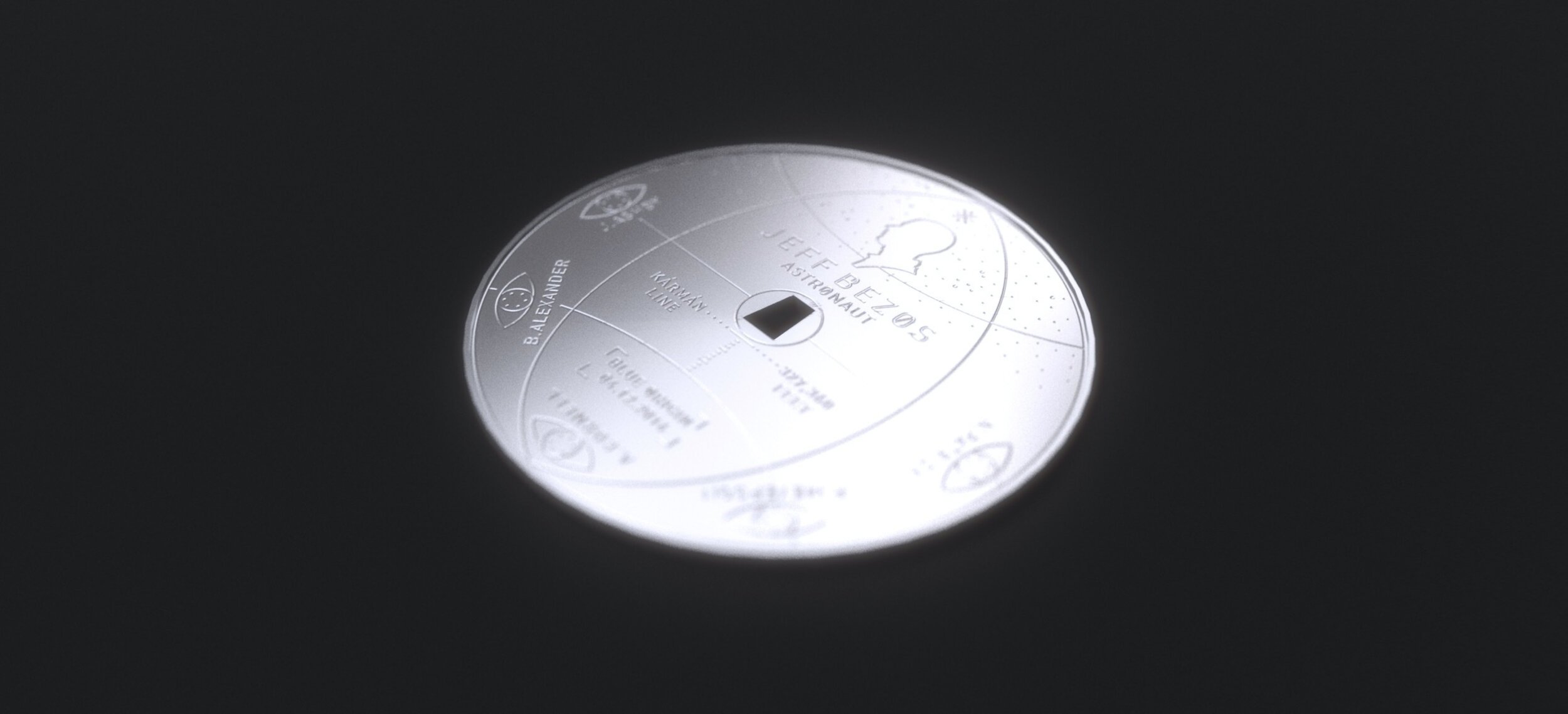
This Blue Origin capsule concept celebrates the full arc of human spaceflight, from the anticipation of launch to the wonder of zero gravity and the return to Earth. Emotional resonance, well-being, and intuitive interaction are prioritized throughout. Designed to support astronauts in weightlessness, the interior features ergonomic handles, footrests, and lighting cues that guide and reassure occupants throughout the journey.
-
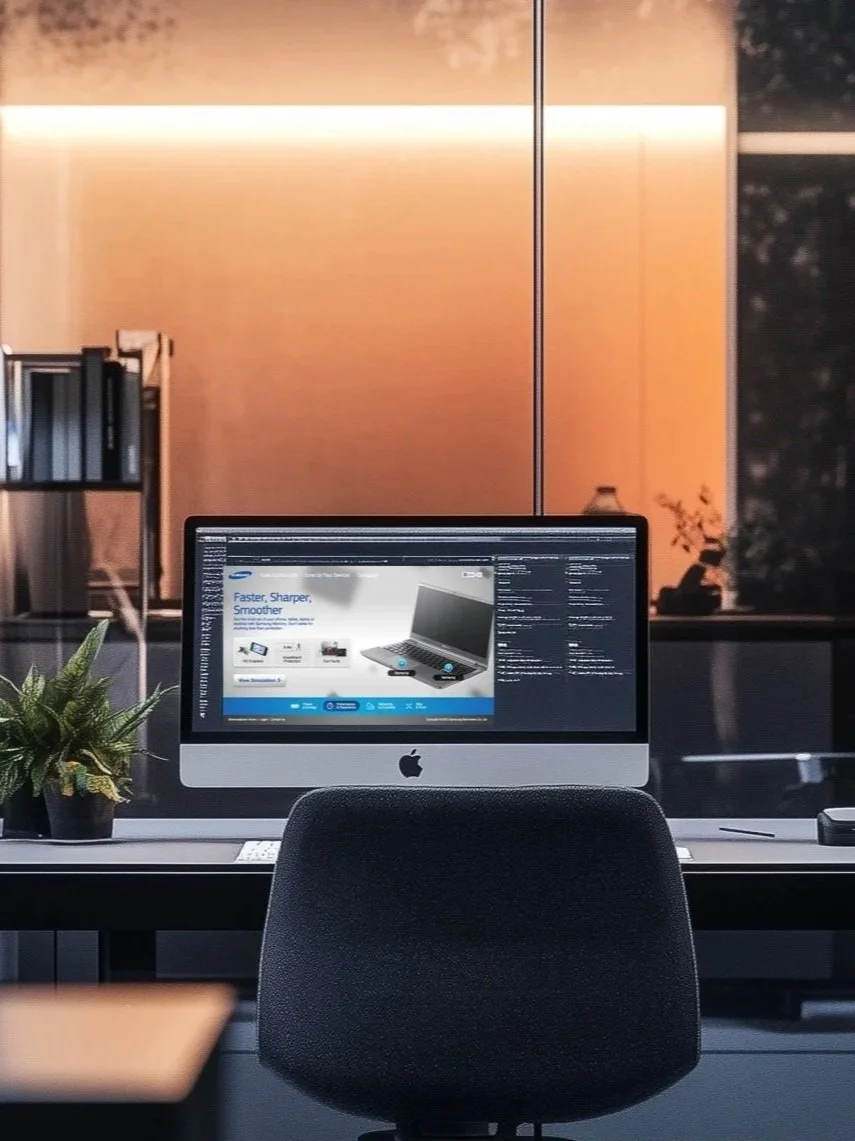
Samsung’s memory website showcased head-to-head comparisons with competitors’ memory chips to hi’ to highlight performance advantages. These benefits were brought to life through clear technical comparisons. At the same time, a companion social media campaign personified the frustrations of using inferior memory through a cast of relatable, character-driven narratives. The digital experience and campaign effectively communicated Samsung's value proposition in informative and emotionally resonant ways.
-
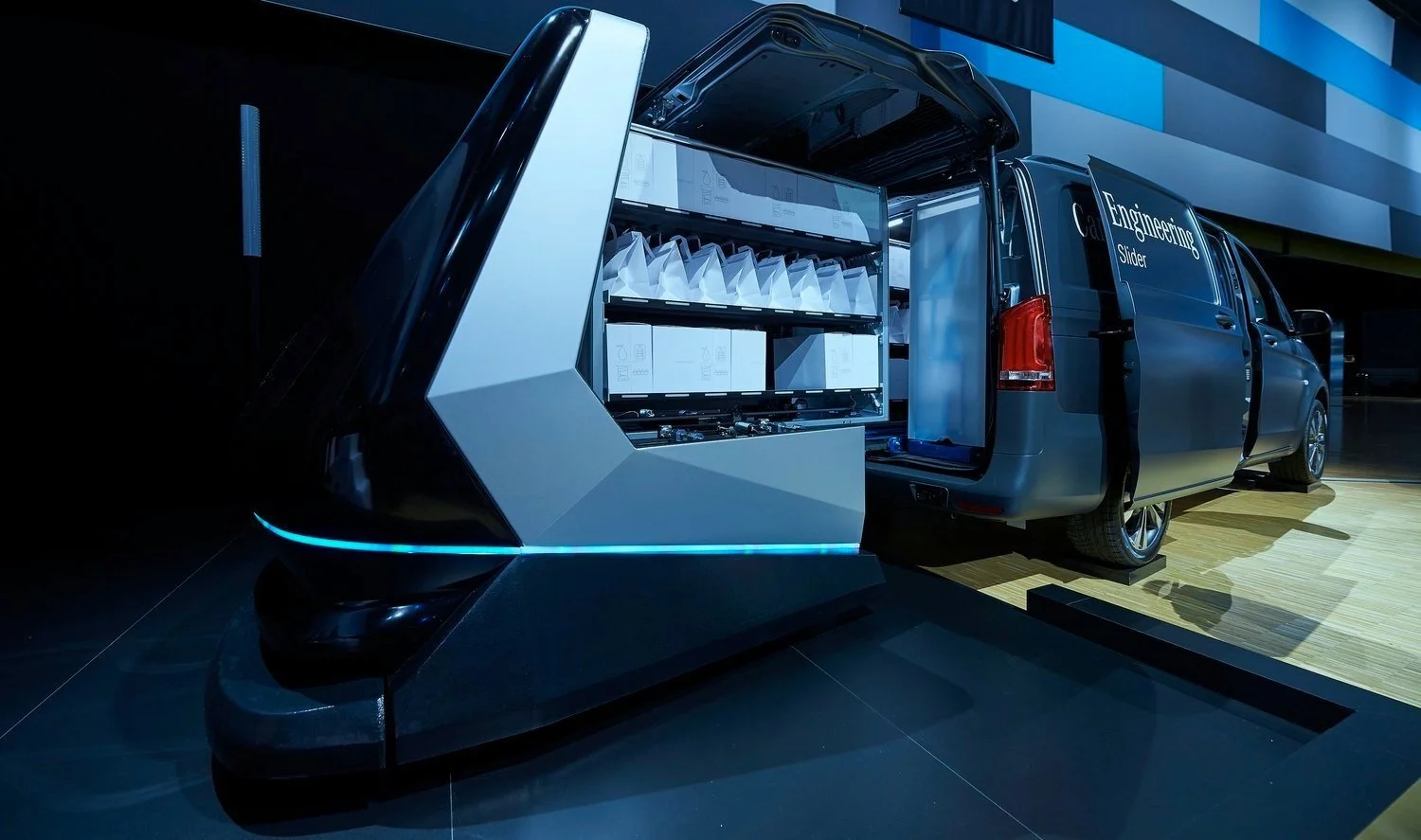
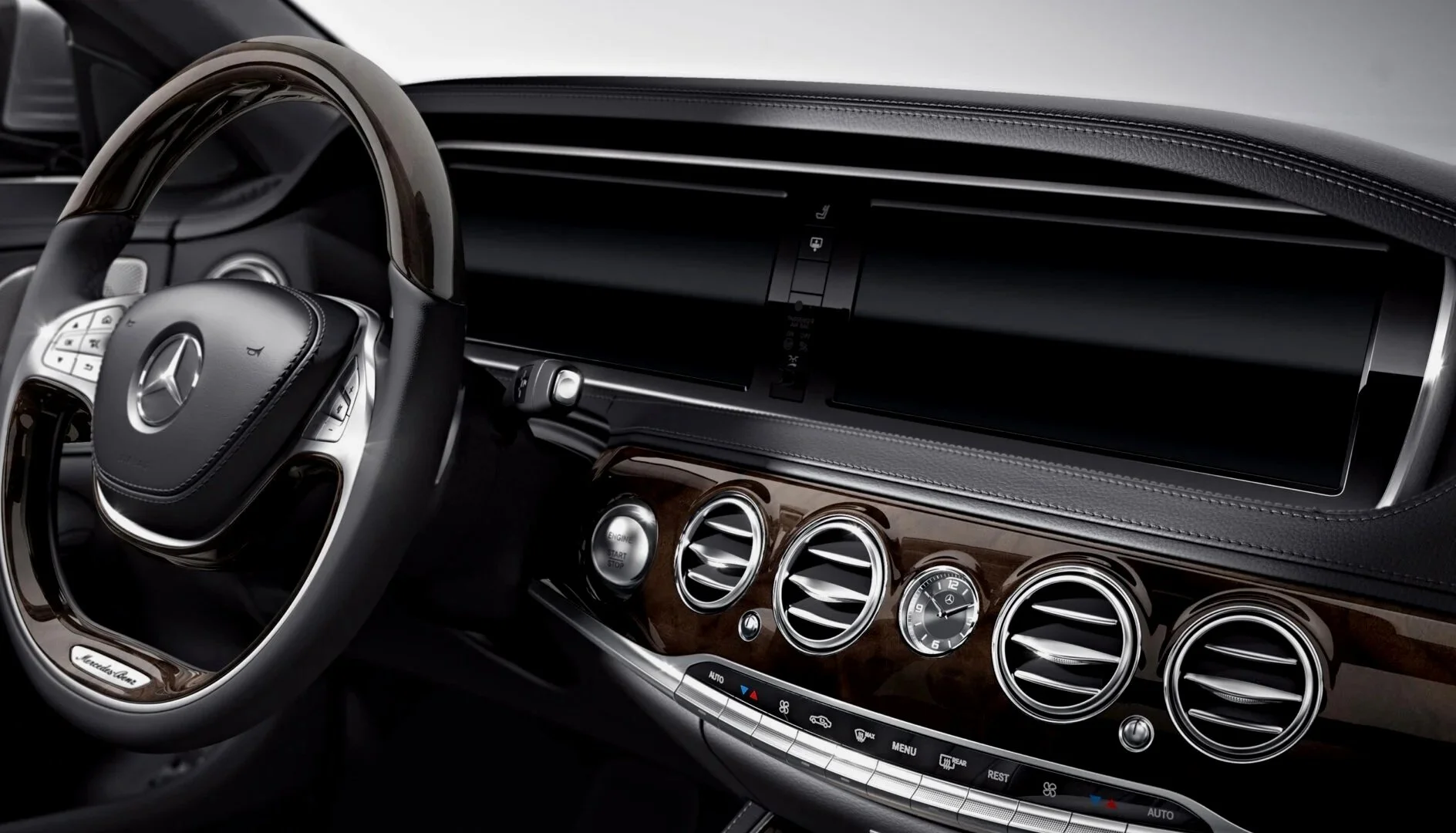
This collaboration explored the future of goods transportation through design thinking and rapid prototyping, helping shape the Mercedes-Benz adVANce initiative and laying the foundation for their Silicon Valley innovation lab. The work considered the entire cargo delivery cycle, from warehouse loading and route optimization to final drop-off confirmation and fleet management.
-
This rapid visualization sprint extended the capabilities of the Mercedes-Benz design team, enabling exploration of a broader range of user interface aesthetics than initially envisioned, with a focus on increasingly larger displays and interactions spanning multiple display surfaces. The goal was to craft seamless, intuitive in-car experiences that reflect the brand’s values of luxury, innovation, and emotional resonance.
-
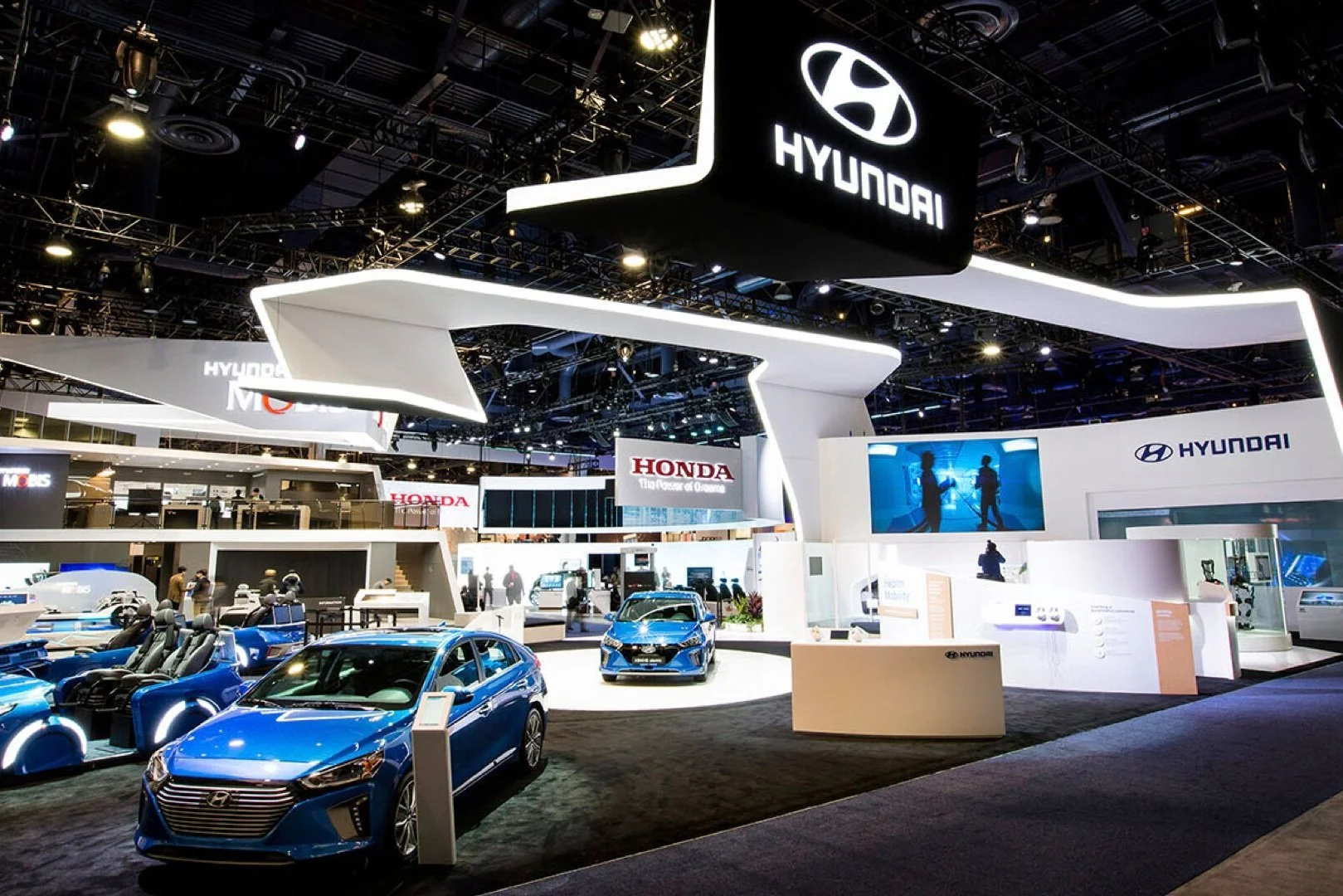
Hyundai’s Health + Mobility CES exhibit introduced personalized micro-experiences, or “Mood Bursts,” designed to shape a driver’s emotional state through coordinated sensory inputs including scent, sound, lighting, temperature, and posture. Each mood burst, such as a calming experience during traffic or an invigorating alert during long drives, delivered short, precisely choreographed interventions tailored to real-time driving conditions.
-
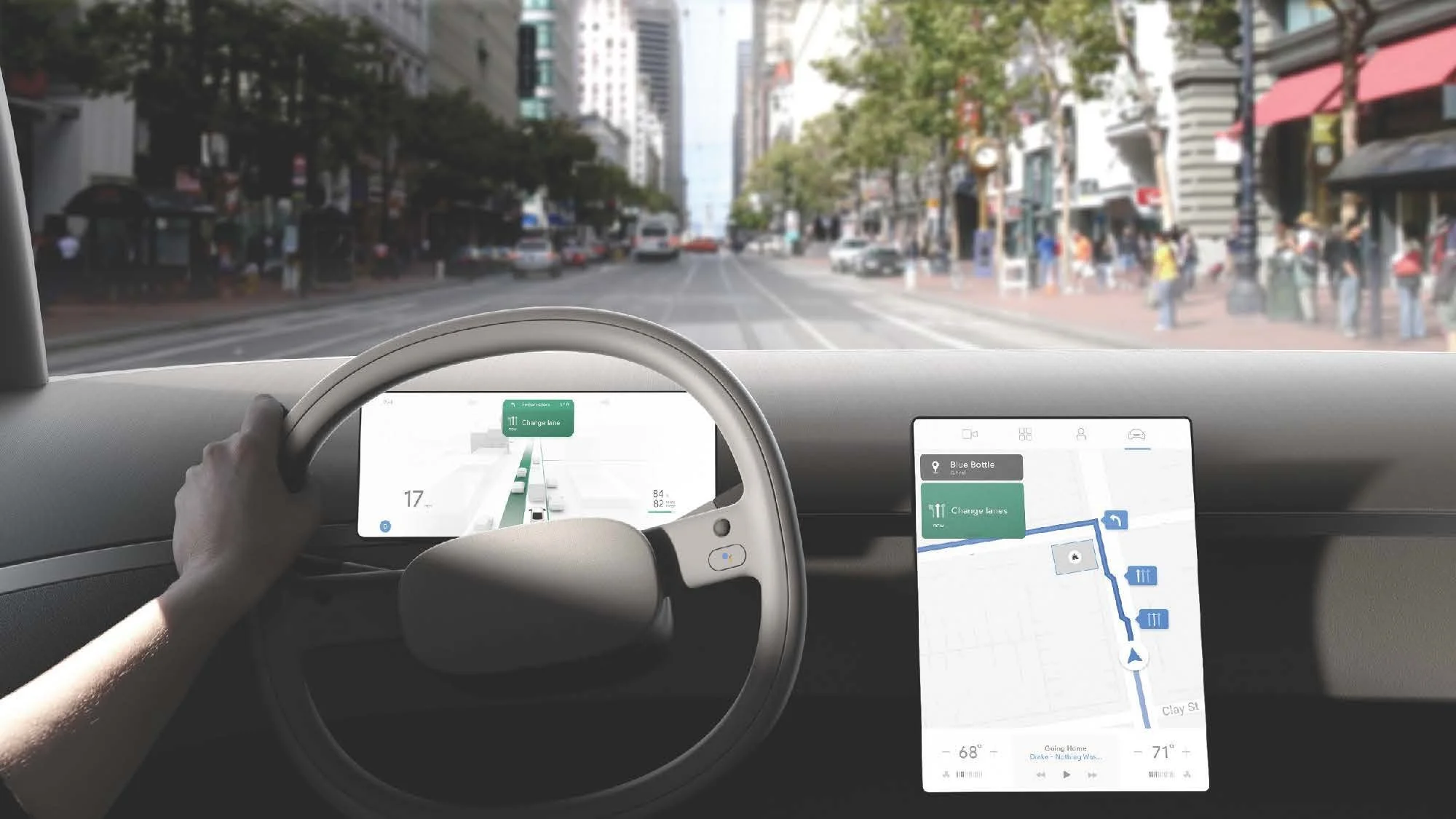
This project explored, researched, prototyped, validated, and documented the in-vehicle user experience for Google. Driven by real-world driver needs, the initiative aimed to shift OEMs away from isolated, feature-focused development toward a proactive, needs-based platform strategy that leverages the broader mobility ecosystem to deliver safer, smarter, and more consistent driving experiences.

-
Purpose-built for professionals, the QUE proReader offered seamless access to emails, calendars, documents, and subscription content in a lightweight, shatterproof form. Optimized for PDFs, it featured the most prominent plastic touchscreen of its time and earned an IDEA award for its innovative design.

-
This forward-looking project brought together contributors from all IDEO locations and disciplines to explore how emerging interfaces—stylus, touch, and voice—could transform how we interact with technology. The team envisioned various innovative devices, including large, high-resolution stylus-driven displays, transparent speakers, wireless printers, and flexible, tube-shaped portable computers, all of which pushed technology's boundaries.

-
To reimagine key aspects of the Ferrari ownership journey, interviews with various Ferrari owners revealed emotional milestones that shaped the design of the vehicle access experience. Central to the new ownership and access experience was the Amuleto, a symbolic object delivered at the time of order, featuring the storied Ferrari emblem and engraved information about the purchased vehicle.

-
This proposed redesign of Chase’s online banking interface is rooted in human-centered design and behavioral insights. Research has revealed that people naturally organize their finances into purposeful “stacks”—modular groupings aligned with specific goals or responsibilities—rather than as linear lists of transactions.